
Top CNC Turning Service Provider in China
At AXEN, we deliver precision CNC turning solutions engineered for complex geometries, tight tolerances, and consistent production quality. From rapid prototypes to high-volume orders, our advanced turning centers ensure accuracy, efficiency, and dependable performance for every metal and plastic part.
- 24H instant quotation & DFM
- Delivery as fast as 3 days
- ISO 9001:2015 certified
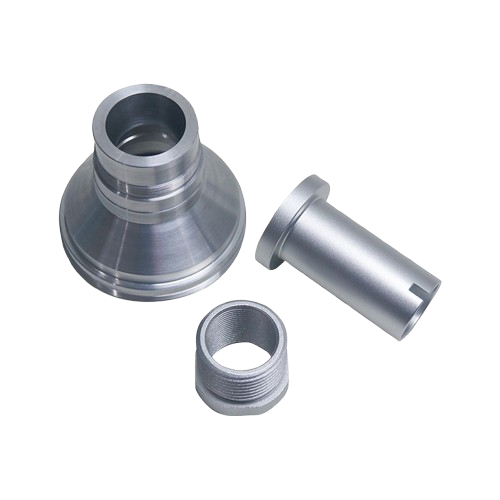
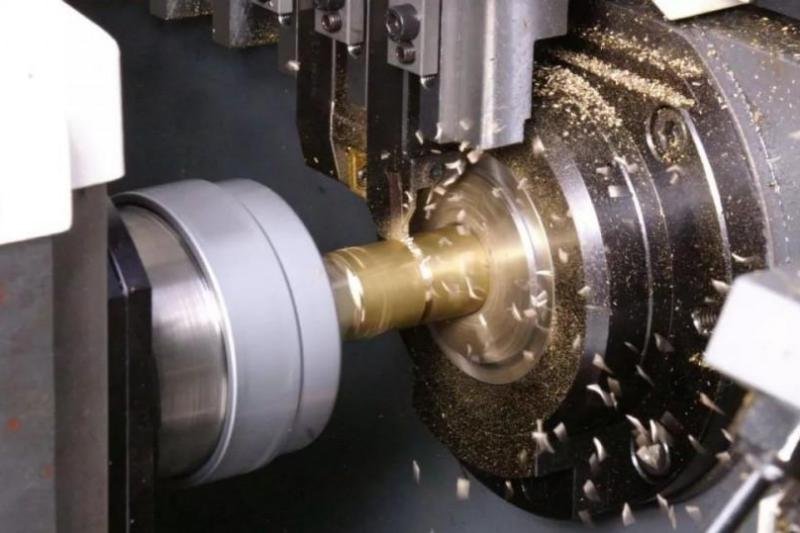
Core Advantages of CNC Turning
High Precision and Consistency
Capable of achieving micron-level accuracy and ensuring complete uniformity across batch-produced parts.
Complex Shape Machining
Easily programmable to complete contours such as complex curves, surfaces, and threads.
Integrated Machining Capability
One machine can integrate multiple processes like turning, milling, and drilling, enabling complete machining in a single setup.
Broad Material Adaptability
Capable of efficiently machining a wide range of materials, from common metals to difficult-to-cut alloys.
Stable Quality & Repeatability
Once the program is set, the machine can produce identical parts with minimal human intervention.
Available Materials for CNC Turning Services
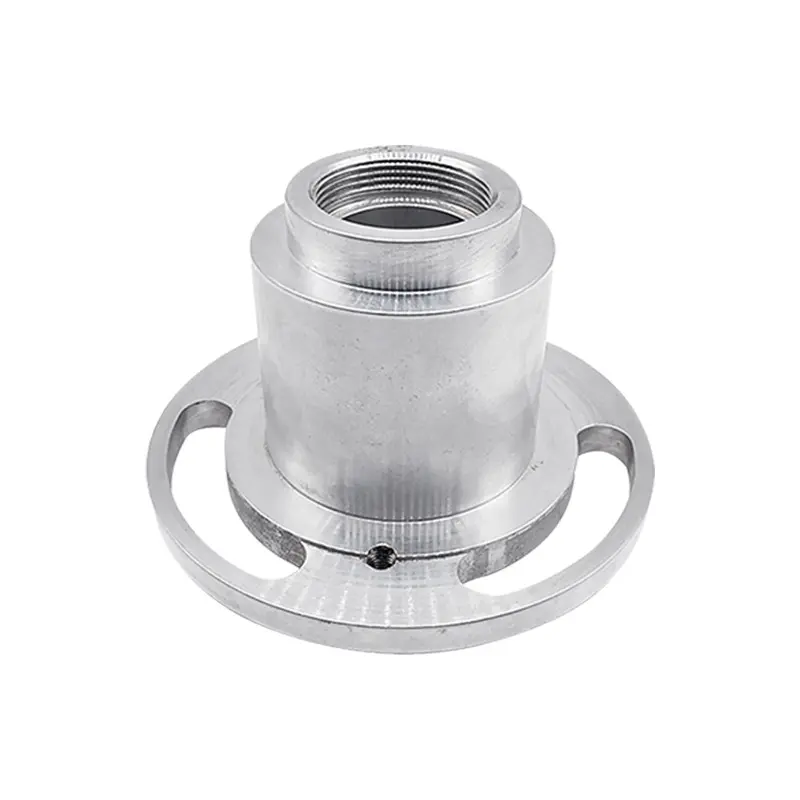
Aluminum
Key Characteristics
Lightweight with a good strength-to-weight ratio.
Excellent thermal and electrical conductivity.
Good corrosion resistance.
Easy to machine with high speeds and good surface finish.
Typical CNC Applications
Aerospace: Aircraft components, drone frames.
Automotive: Engine parts, wheels, suspension components.
Consumer Electronics: Phone/laptop casings, heat sinks.
Optics & Instrumentation: Lens mounts, camera parts, robotic arms.
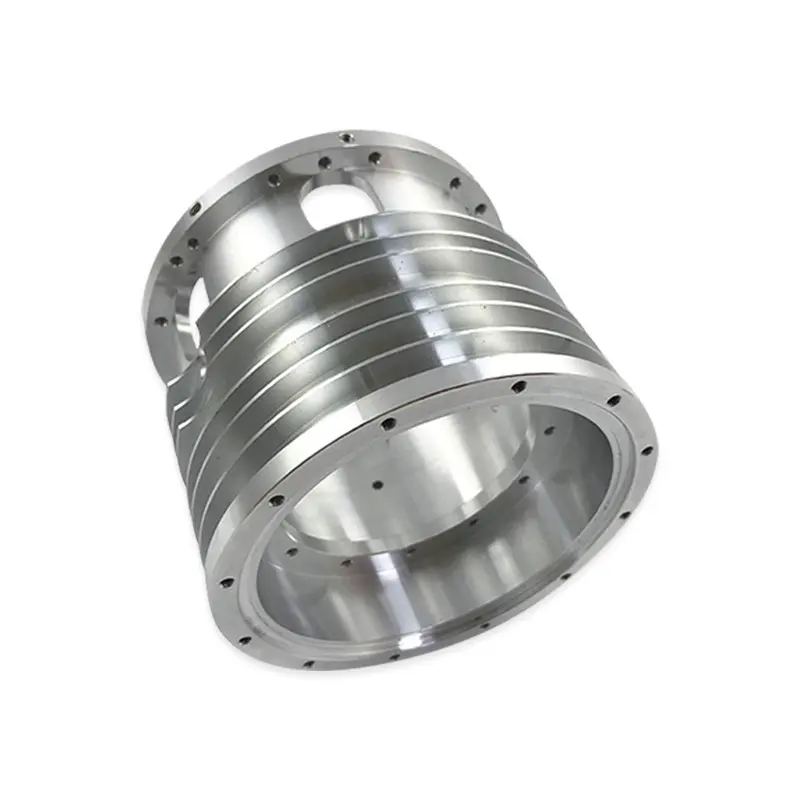
Stainless Steel
Key Characteristics
High strength and hardness.
Excellent corrosion and heat resistance.
Challenging to machine due to work hardening and low thermal conductivity.
Typical CNC Applications
Medical & Surgical: Surgical instruments, implants, equipment housings.
Food & Chemical Processing: Valves, pumps, pipe fittings.
Marine & Outdoor: Marine hardware, outdoor instrument enclosures.
High-end Consumer Goods: Watch cases, jewelry, kitchenware.
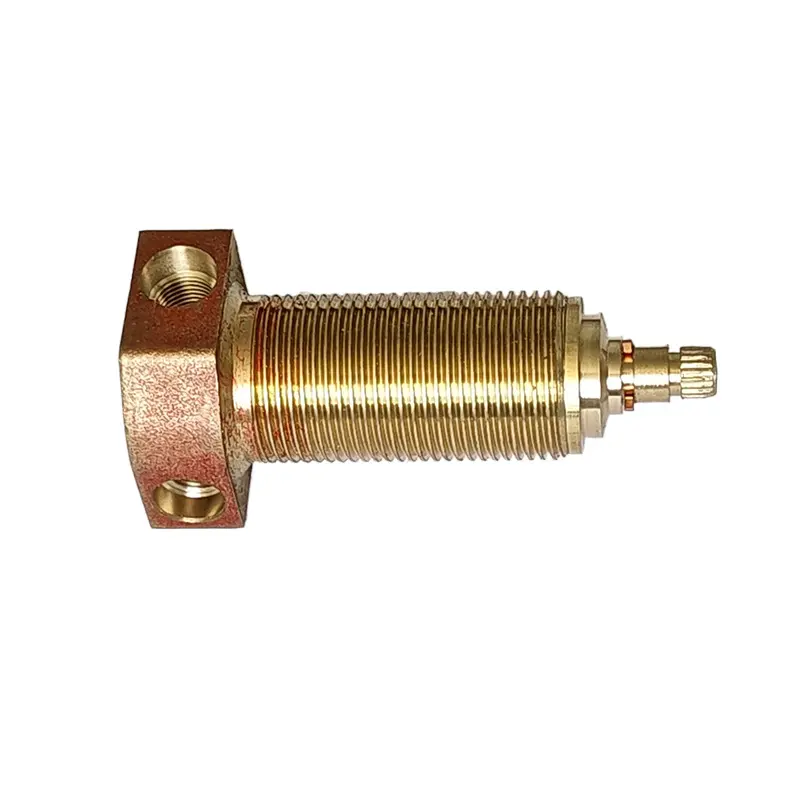
Copper
Key Characteristics
Excellent electrical and thermal conductivity (best among common metals).
Soft and ductile, but prone to galling and burring.
Good corrosion resistance.
Typical CNC Applications
Electrical Industry: Busbars, connectors, switch components.
Thermal Management: Heat exchangers, cooling fins, cold plates.
Decorative & Architectural: Ornamental parts, artwork.
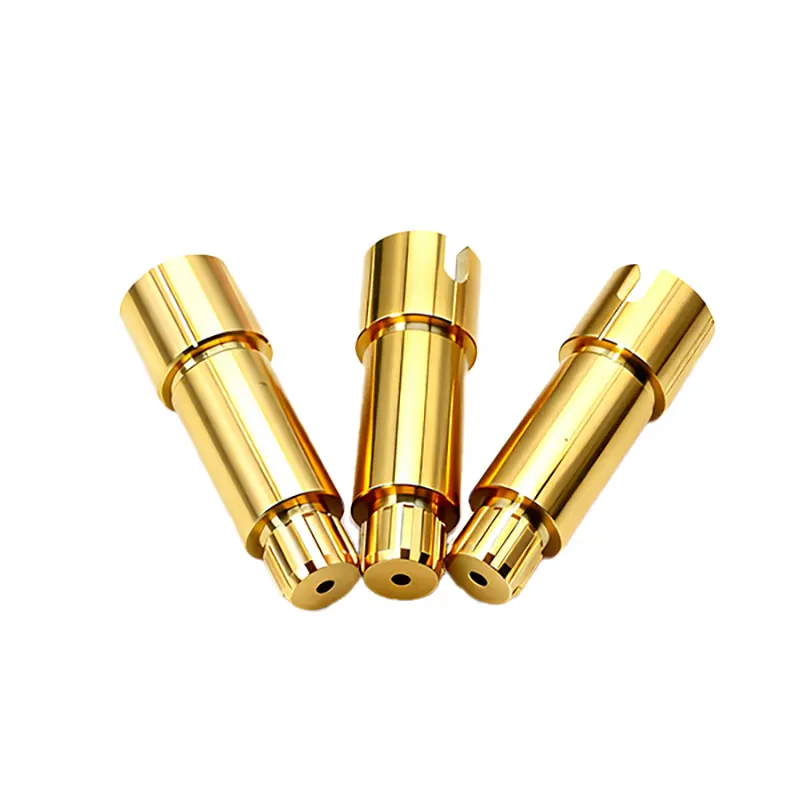
Brass
Key Characteristics
Excellent machinability (“free-machining”), producing small chips.
Good electrical/thermal conductivity.
Attractive gold-like appearance and good corrosion resistance.
Typical CNC Applications
Hardware & Valves: Locks, gears, valves, pipe fittings.
Musical Instruments & Decor: Instrument parts, door handles, medals.
Electrical Connectors: Plugs and sockets.
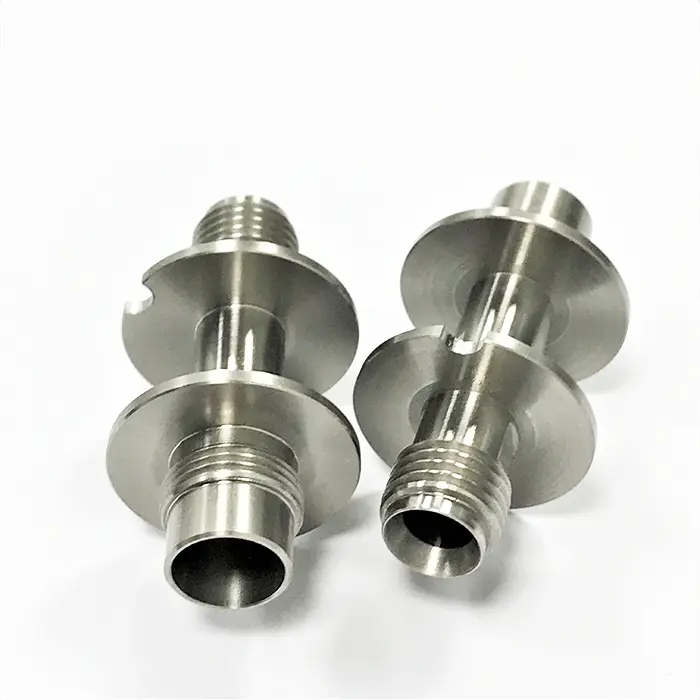
Titanium
Key Characteristics
Exceptional strength-to-weight ratio.
Outstanding corrosion resistance and biocompatibility.
Difficult to machine: poor thermal conductivity causes heat buildup, and it is chemically reactive at high temps.
Typical CNC Applications
Aerospace: Compressor blades, airframe structures.
Medical Implants: Artificial joints, bone plates, dental implants.
High-performance Racing & Chemical: Connecting rods, valves, corrosion-resistant vessels.
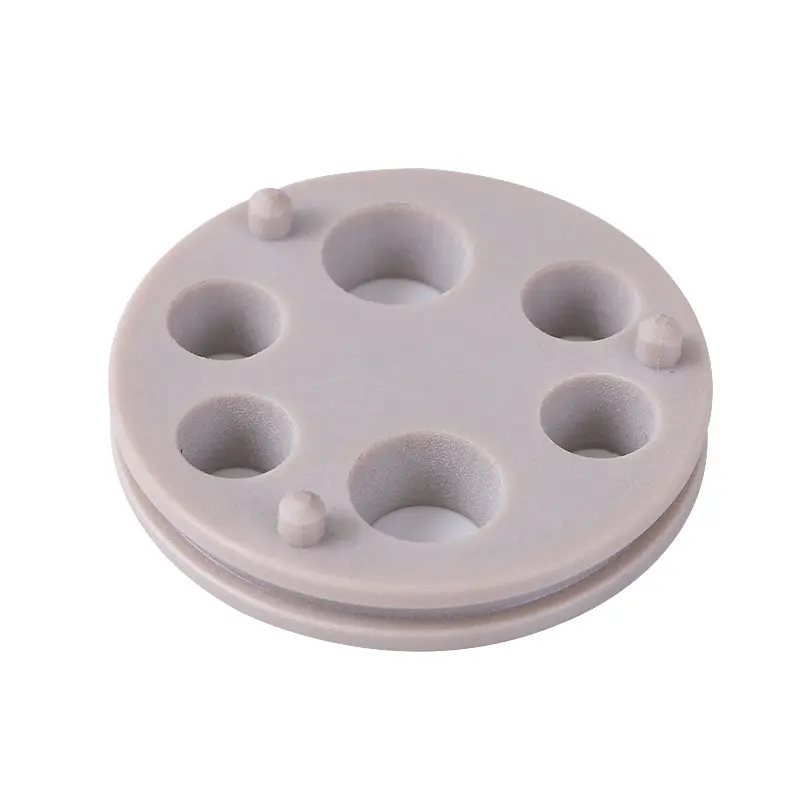
Plastics
Key Characteristics
Lightweight, good electrical insulators.
Wide range of properties (e.g., strength, transparency, chemical resistance).
Machining challenges: low thermal conductivity (risk of melting), low rigidity (can deflect), and material-specific behaviors.
Typical CNC Applications
Insulation & Sealing: Electrical insulators, seals, bearings.
Lightweight Structures: Drone bodies, automotive interiors, prototypes.
Low-friction & Chemical Resistance: Gears, bushings, tank linings.
Transparent Components: Polycarbonate light covers, instrument panels.
CNC Turning Tolerances
Our CNC turning services follow ISO 2768-m standard tolerances as a baseline. Typical tolerances for metal parts are ±0.02 mm (±0.0008 in), while plastic parts are usually ±0.05 mm (±0.002 in).
For critical features or tighter requirements, we can achieve precision tolerances up to ±0.01 mm (±0.0004 in) on a case-by-case basis, based on your engineering drawings.
| Feature Type | Metal Parts | Plastic Parts |
|---|---|---|
| Linear dimensions | ±0.02 mm | ±0.05 mm |
| Hole diameters | ±0.02 mm | ±0.05 mm |
| Shaft diameters | ±0.02 mm | ±0.05 mm |
Note: Tolerances depend on material, part geometry, and machining process. Critical features should be specified on the drawing.
CNC Turning Parts Gallery
Why Choose Us for CNC Turning Services
High Precision
We deliver CNC turning parts with tight tolerances and excellent repeatability. Every component is machined with stable accuracy to ensure perfect fit, smooth assembly, and long-term performance.
Wide Material Options
We handle a broad range of materials—including aluminum, stainless steel, brass, etc—each machined with optimized cutting parameters to achieve the best strength, finish, and dimensional stability.
Fast Lead Times
With efficient production planning and streamlined workflows, your parts move quickly from programming to machining. We ensure dependable delivery without compromising quality.
Advanced Equipment
Our modern CNC lathes and turn-mill centers support complex geometries, multi-axis operations, and superior surface finishes. Fewer setups mean higher efficiency and better accuracy for intricate parts.
Competitive Pricing
Through optimized machining processes and strong cost control, we offer high-quality turning services at competitive prices, giving you excellent value for your budget.
Engineering Support
Our engineers provide DFM guidance, material suggestions, and prompt communication throughout your project. We help identify potential issues early and ensure your parts are produced efficiently.
Industry Solutions
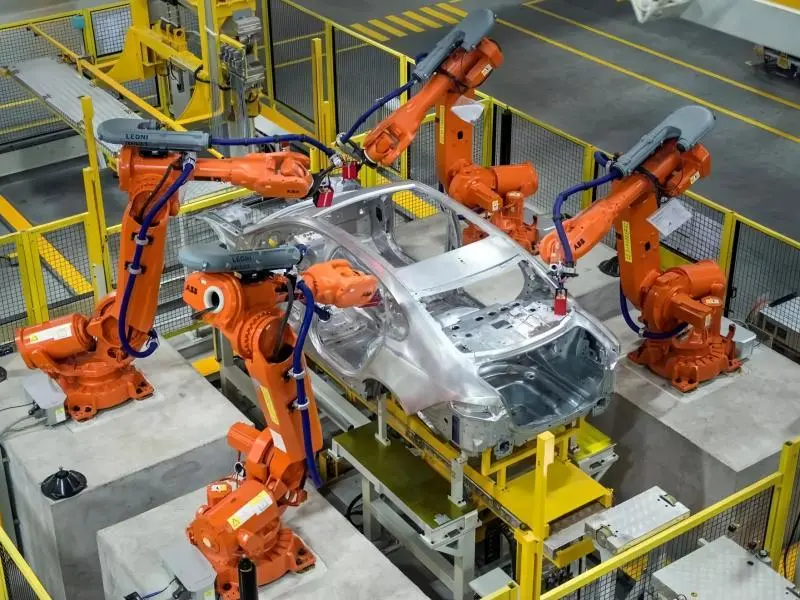
Automotive
Core Applications: Engine, transmission, chassis, and body components.
Value of CNC: Enables mass production with consistency while meeting stringent requirements for lightweighting (e.g., machining aluminum alloys, composites) and performance enhancement.
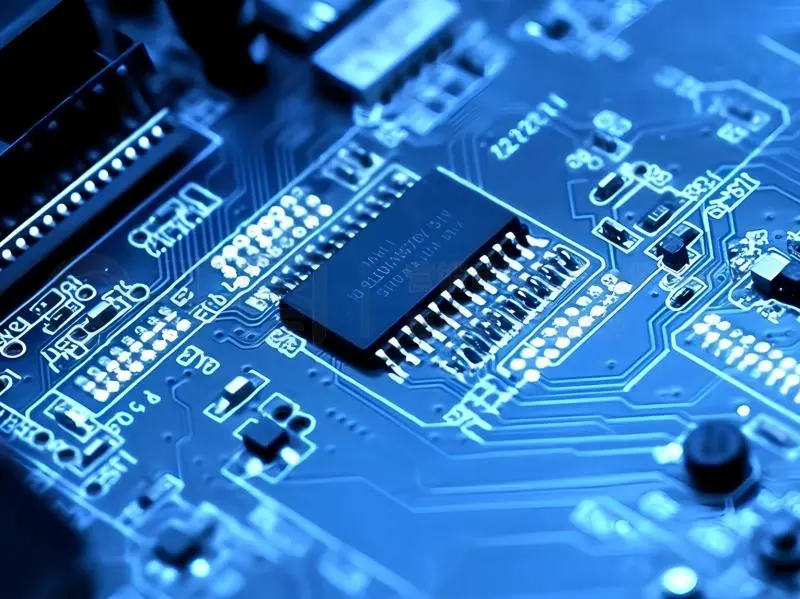
Electronics
Core Applications: Precision structural components, heat dissipation devices, jigs, and fixtures.
Value of CNC: Meets the increasing demands for miniaturization, integration, and extreme precision in electronics, while enabling rapid response to market changes.

Robotics
Core Applications: Joints, links, end-effectors, reducer housings.
Value of CNC: Achieves the ultra-high precision, high dynamic balance, and structural optimization required for robotic moving parts, forming the foundation for high-end robot performance.

Energy
Core Applications: Traditional energy equipment, renewable energy components.
Value of CNC: Manufactures highly reliable, long-life core components for large, heavy-duty energy equipment that operates in harsh conditions.

Medical
Core Applications: Surgical instruments, implants, diagnostic equipment components.
Value of CNC: Directly impacts human life and health, meeting the extreme demands of medical products for biocompatibility, personalization, sterility, and zero defects.
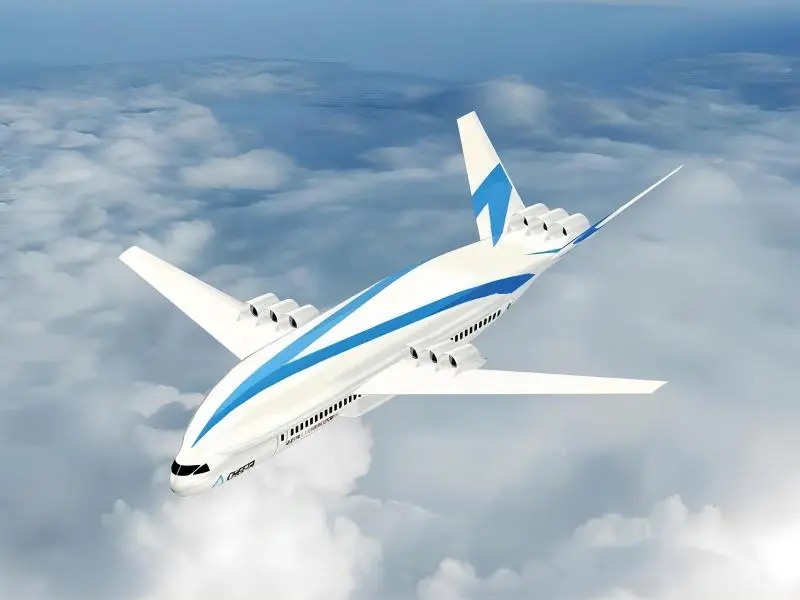
Aerospace
Core Applications: Structural components, engine parts, landing gear systems.
Value of CNC: An indispensable technology for machining difficult-to-cut materials, achieving extreme lightweight designs, and ensuring flight safety and reliability.